
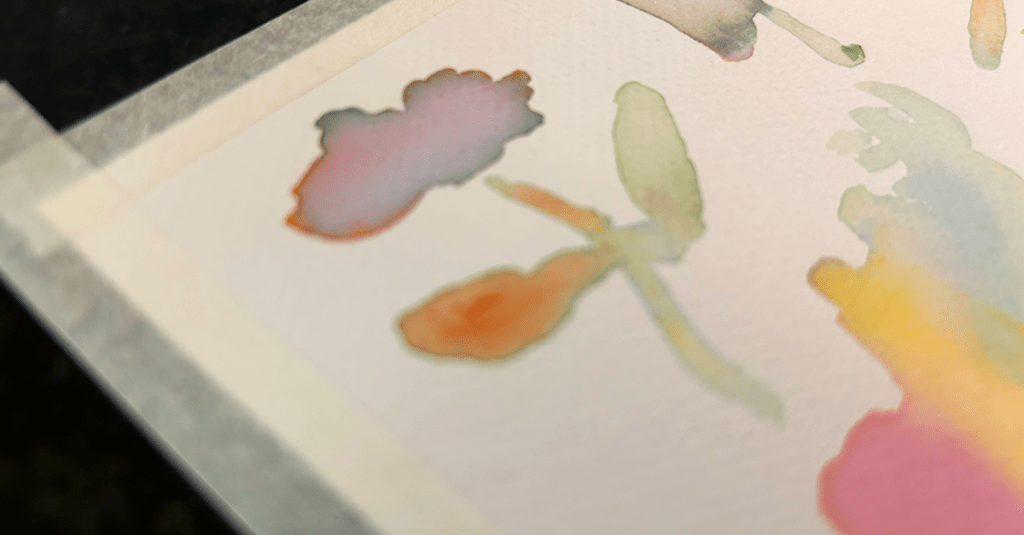
This art activity creates watercolor paint from natural dyes and encourages creative self-expression and reflection on the nature of change and transformation.
Spring is a season of change. We emerge from winter to warmth and growth. The world seems to rapidly change: tree bud, new green plants sprout, flowers blossom, animals become more active and everything seems to be in a state of change and transformation.
This time of year, like many people, we like to dye eggs. It’s a tradition most commonly associated with Easter, which has its roots in celebrations of rebirth. In nature, eggs come in all kinds of colors, sizes, and markings. From fertilized eggs new life springs forth. They can also provide nourishment to other animals. Since the beginning of human history, eggs have been an enduring symbol of vitality and transformation.
When we dye eggs, we do it a little differently than a lot of families. We start with hardboiled eggs (okay, so far so good!), but then we peel them and dip them in dyes made from plants. You can eat the whole, colorful egg!
These natural dyes can also be used for art making and creative self-expression.
Here’s how:
Decide which colors you would like to work with. You can choose just a couple to start, or try them all. You might even want to experiment with other options.
Creating Natural Dye Colors
Beet Red
- Peel and chop one cup of raw beets.
- Put the beet pieces in a small sauce pan with two cups of water.
- Bring to a boil, then simmer for 20-30 minutes.
- Straining out the solids, pour the water into a container.
- Add one tablespoon of white vinegar and one teaspoon of salt.
Cabbage Blue
- Chop two cups of red cabbage.
- Put the red cabbage pieces in a small sauce pan with two cups of water.
- Bring to a boil, then simmer for 20-30 minutes
- Straining out the solids, pour the water into a container.
- Add one tablespoon of white vinegar and one teaspoon of salt. To turn it blue, add ¾ teaspoons of baking soda. CAUTION: The water will fizz! Prepare for clean up, or use a larger capacity container.
Tumeric Yellow
- In a sauce pan, add one teaspoon of turmeric to two cups of water.
- Bring to a boil, then simmer for 20-30 minutes.
- Pour the mixture through a strainer into a container.
- Add one tablespoon of white vinegar and one teaspoon of salt.
If you’re dying eggs, you would submerge hardboiled and peeled eggs in the container with your color of choice. The longer you leave the egg in, the deeper the color. You can get more colors by double dipping: letting the egg sit in the blue dye, and then letting it sit in the yellow dye will create green, for example.
Painting with Natural Dye
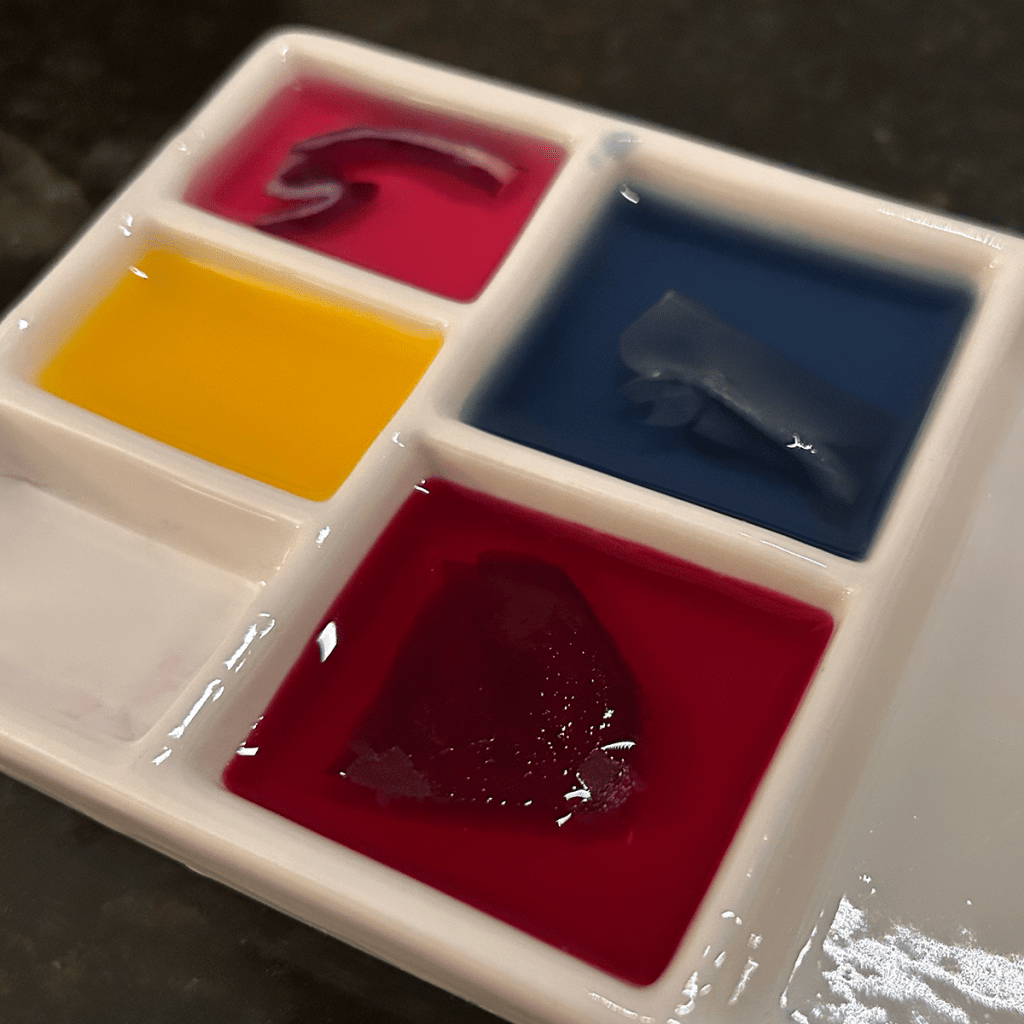
For painting, take a spoon and scoop a little of each color and place it in their own well in your palette. Reserve some empty wells for mixing the colors and experimenting. Be sure to have a container of clear water available, and a paper towel for dabbing.
Watercolor paper will work best, and taping it down to a table or other hard surface will help keep the paper from rumpling or buckling.
Here’s where the creative self-expression comes in! Use your paintbrush to pick up your natural dye and spread it on your paper. When you’re ready to use a different color, be sure to clean your brush in the fresh water.
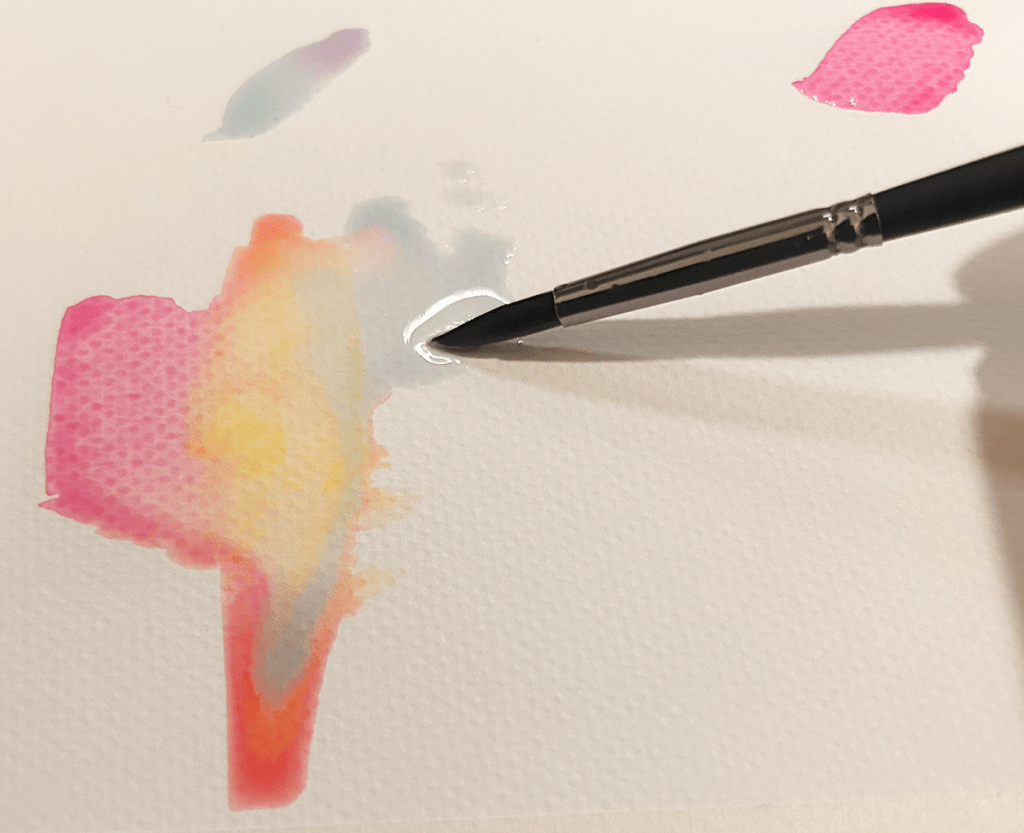
You can try experimenting with different strokes: big broad swipes that paint the whole page, long thin strokes that make delicate lines, tiny stippled dots, short little strokes, fanned out presses of your brush. You can also try mixing colors on your palette: different amounts of tumeric yellow and cabbage blue to create different shades or green, or cabbage blue and beet red for purple. You can also try putting clean, clear water on the water color paper and adding the nature dye to it there.
Reflecting on the Nature of Change and Transformation
As you work, do so mindfully. Try using your sense during each step of the process — not just the painting, but in creating the dye itself. How does your body feel as you hold the knife and chop the cabbage? Notice how your hand grips the tool you use to peel the beet. How do the pieces of chopped cabbage feel in your hands? See how the juice of the beet stains the cutting board and your skin. Smell the tumeric as you add it to your pot of water. How does the boiled beet taste?
Cutting the vegetables we use to make the dye is a physical change. When we boil each plant in the water we change them chemically, too. These are changes that can’t be undone — you can’t put the cabbage back together once you’ve chopped it. You can’t make it raw and crisp after you’ve boiled it.
If you’re safely able to do so, reflect on times that you’ve experienced transformational change. We often judge these experiences as positive or negative, but consider setting those judgments aside. Maybe you’ve experienced a change in career — either planned or unexpected. Perhaps you’ve experienced a physical change, or shift in how you identify yourself. Illness, beginning or ending relationships with others, becoming a parent, developing a new interest or embracing a new hobby, changing jobs — all of these life experiences can impact and change us in different ways. These changes never truly leave us, they can’t be undone but they are also not final. We continue to change.
When you use the dye to paint, reflect on all the steps it took to create the paint. Notice each color value, the brightness of the yellow, the delicate blue, the intensity of the red. See how the colors change as you mix them together, or how the shade shifts as you add water. Bring your attention to how your body feels as you hold the paintbrush and move it across the paper.
As you work with this watercolor-like dye, reflect on the process. Many people find the shapes they create as being more organic and unpredictable, less precise than using, say, a pencil or pen to make marks. You can play with this unpredictability by placing watery marks close together and watching them mix together on their own. The colors and shapes seem to change and transform on their own without precise intention. Reflect on how that makes you feel when creating, and how you’ve felt in your own life when things have happened without your control. In some cases, change and transformation can feel disappointing, even disastrous. In other cases, change and transformation can be joyous, and wonderful.
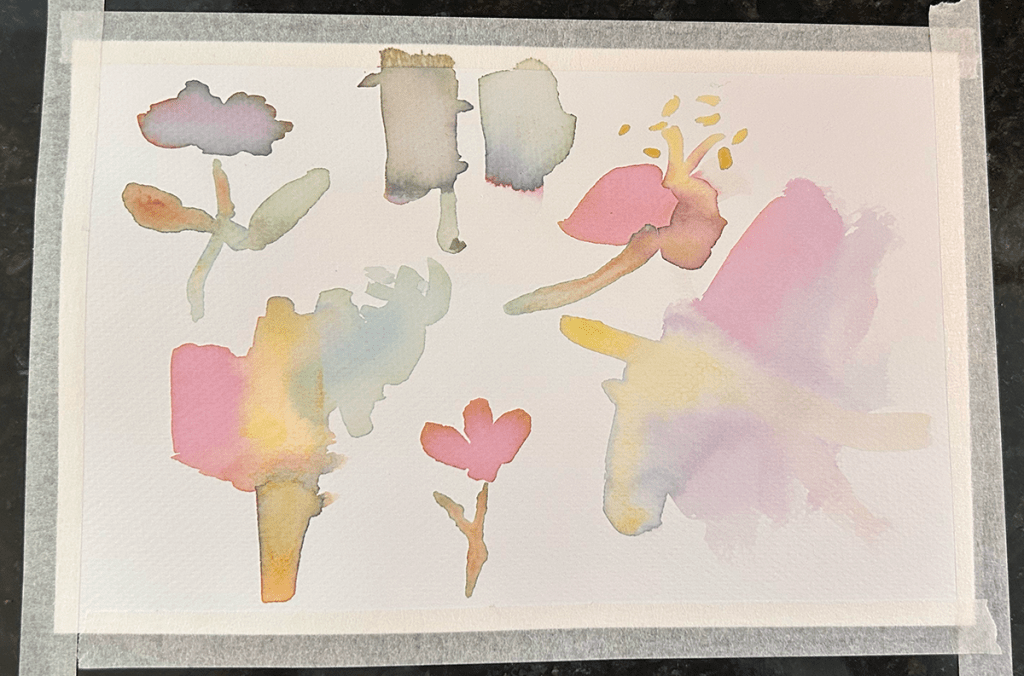
When you’re ready to take a break, let your art work dry. Notice how, even when you’re done painting, your artwork can transform. Your art work while it’s wet can look quite different than when it’s fully dry. You can continue to work on it if you’re inspired to do so, or you can leave it as it is. Change and transformation can happen whether we are actively pursuing it or not.
Let me know what you think!
If you have thoughts or feedback you would like to share about this activity, I’d love to hear it. Email me at hello@wildkept.com. If you’d like to schedule a one-on-one session to talk about what came up for you during this exercise, or if you’d like to schedule a one-on-one activity you can do that here.
 WILDKEPT